
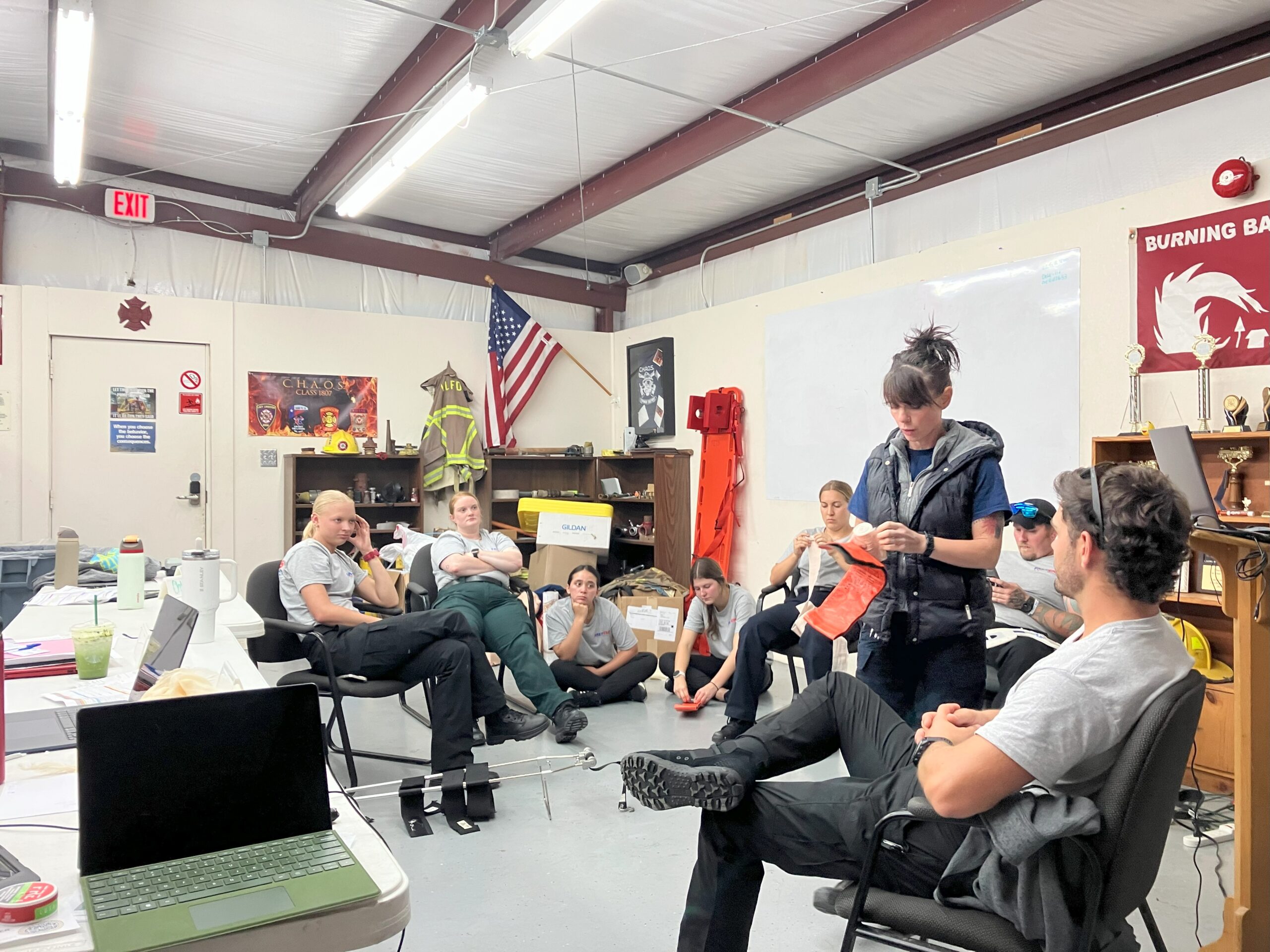
For college students, career changers, or anyone eyeing a future in healthcare, winter break offers a unique window to gain a valuable credential without derailing your schedule. FASTems’ 14-day accelerated EMT Basic program in Waco, Texas, is designed to fit into this short period, letting you earn a nationally recognized certification in just two weeks. This post breaks down how the program works, what to expect, and why it’s a practical choice for launching an EMS career or boosting your pre-med or PA school applications.
Why Winter Break for EMT Training?
Winter break, typically spanning mid-December to early January, is a quiet time for many students and professionals. With classes or work on pause, it’s an ideal moment to tackle an intensive training program like FASTems’ 14-day EMT course. Unlike traditional EMT programs that stretch over months, our accelerated format condenses everything into two weeks, making it feasible to complete during a holiday break. By January, you could be eligible to take the National Registry of Emergency Medical Technicians (NREMT) exam and apply for a Texas EMT license, transferable nationwide.
The program’s timing is particularly appealing for:
- College students: Use your break to gain a credential that sets you apart in healthcare applications or job markets.
- Pre-med/PA students: Log clinical hours (potentially 1,000+ post-certification) to strengthen medical school or physician assistant program applications.
- Career changers: Transition quickly into EMS, a field with growing demand (over 37,000 jobs added in Texas alone in December 2024).
What’s the 14-Day Program Like?
FASTems’ 14-day EMT Basic course, approved by the Texas Department of State Health Services (DSHS), runs Monday through Sunday, 8:00 AM to 8:00 PM, with some days extending for clinical rotations.
Enrollment Requirements
You don’t need prior medical experience, but you must be 18 (or 17 with parental consent for licensure). A high school diploma or GED isn’t required to attend if you’re still in high school, but you’ll need it for licensure. Other requirements, due before clinicals start, include:
- Immunization records (MMR, Hepatitis B, Tetanus, negative TB test) or a FASTems-provided declination form for exemptions.
- A ten-panel drug screening and state-level background check, both facilitated by FASTems.
To enroll, submit an application and a $500 deposit (part of the $2,500 tuition) at least 14 days before your chosen session. Seats (10-15 per class) are first-come, first-served based on deposit receipt.
2025 Winter Break Sessions
- Dec. 1 – Dec. 14, 2025 (Application deadline: Nov. 17, 2025)
- Dec. 29, 2025 – Jan. 11, 2026 (Application deadline: Dec. 15, 2025)
These dates align perfectly with most college winter breaks, letting you wrap up training before spring semester. The program is in-person only, ensuring hands-on experience critical for DSHS and NREMT standards.
Why It’s Worth It:
Career Launchpad
EMTs are in demand across the U.S., with Texas alone employing over 13,000 EMTs at an average salary of $39,540. Jobs range from 911 EMS agencies to fire departments, private industry (e.g., oil fields, events), and hospitals. For winter break students, certification opens doors to part-time or summer EMS roles, offering flexibility alongside studies or other work.
Pre-Med/PA Advantage
For aspiring doctors or physician assistants, EMT work provides unparalleled clinical exposure. Post-certification, you can log 1,000+ patient contact hours, a key requirement for medical or PA school applications. Handling real emergencies—car accidents, heart attacks—builds confidence and practical skills that classroom shadowing can’t match. Admissions committees value this hands-on experience, especially when paired with FASTems’ veteran-led training, which mirrors the high-stakes decision-making of medicine.
Time and Cost Efficiency
Traditional EMT programs take 3-6 months, costing you time and potential wages. FASTems’ $2,500 tuition covers everything except travel, lodging, NREMT exam, and DSHS licensure ($36). By compressing training into 14 days, you’re back to earning or studying sooner.
Tips for Success in the 14-Day Program
- Prep Your Schedule: Clear your calendar for the full two weeks. Treat it like a full-time job—minimal distractions, maximum focus.
- Study Smart: Review basic anatomy or medical terminology beforehand (free apps like Quizlet can help). FASTems provides practice exams, so use them daily.
- Pack Right: Bring a laptop, snacks, and a water bottle. For clinicals, invest in comfortable EMS pants and boots early.
- Rest Up: The pace is relentless, so prioritize sleep and hydration to stay sharp for skills like CPR or patient assessment.
- Ask for Help: Instructors offer remediation if you struggle with a skill. Don’t hesitate to lean on their frontline expertise.
After the Program: Next Steps
Once you complete the course, you’ll receive a DSHS-approved completion certificate, making you eligible for the NREMT exam (computer-based, 70-120 questions, $80). Pass it, then apply for your Texas EMT license ($36, 4-6 weeks processing). Your NREMT certification is valid nationwide, though some states require minor additional steps. FASTems offers resume tips and employer connections in Texas cities like Austin and Dallas, where EMT demand is high.
Is It Right for You?
The 14-day program isn’t for everyone—it’s demanding, fast, and requires commitment. But if you thrive under pressure, want a quick entry into EMS, or need clinical hours for med school, it’s a practical choice. Winter break students, especially, can walk away with a credential that opens doors in healthcare or public safety, all before the new year’s resolutions fade.
To learn more or secure your spot, check out our class schedule or contact us at info@fastems.com. Applications for December sessions are open now—don’t miss the 14-day deadline.